
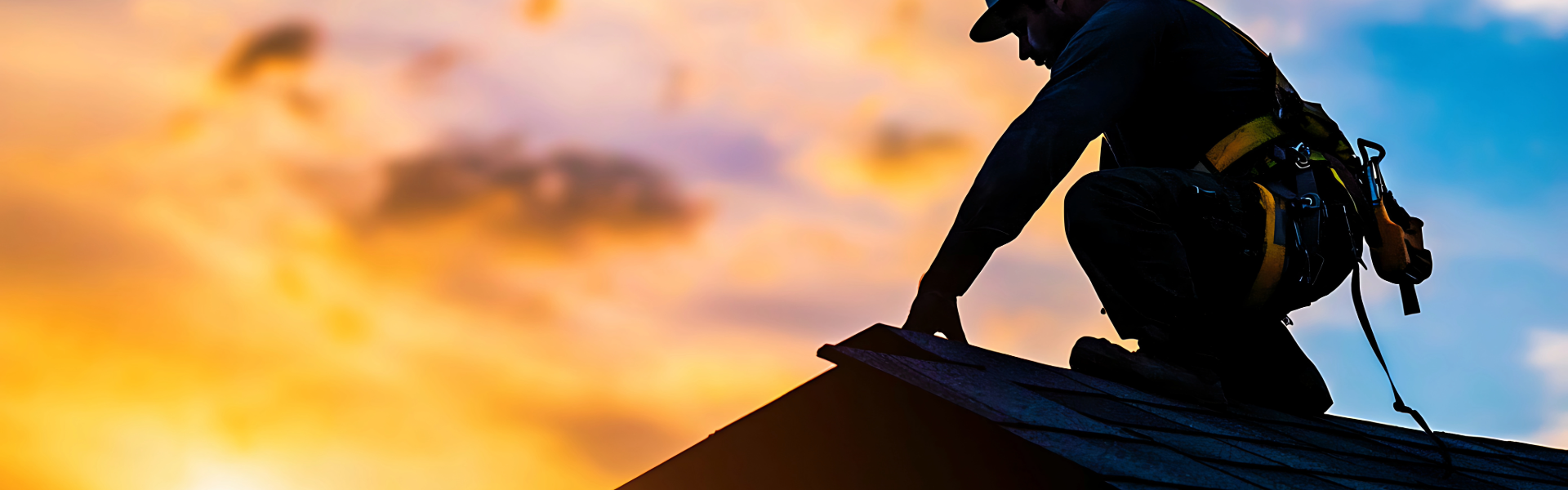

2026 Bay Area Roofing Guide: Costs, Materials, Contractor Standards
The 2026 Bay Area Roofing Guide: Costs, Materials, and Contractor Standards
Roofing in the Bay Area has always been shaped by a unique mix of coastal weather, wildfire concerns, seismic activity, and strict building expectations. In 2026, homeowners are still balancing durability, energy efficiency, and long-term value when planning a roof replacement or major repair. If you are researching The 2026 Bay Area Roofing Guide: Costs, Materials, and Contractor Standards, the most important thing to know is that the right roof is not just about appearance—it is about performance in a challenging climate.
What Drives Roofing Costs in the Bay Area?
Roofing prices in the Bay Area can vary widely, but several factors consistently affect the final number.
1. Roof size and complexity
A larger roof naturally costs more, but steep slopes, multiple valleys, skylights, chimneys, and dormers can raise labor time and material waste. Complex rooflines are common in older Bay Area homes, especially in hillside neighborhoods.
2. Material choice
Material selection is one of the biggest cost drivers. Budget-friendly options may lower upfront expenses, while premium materials often deliver better lifespan and weather resistance.
3. Tear-off and deck repairs
Many homes need old roofing removed before a new system goes on. If the underlying deck has rot or water damage, repairs can increase the total project cost.
4. Permits and local compliance
Permitting requirements vary by city and county. In the Bay Area, compliance with local codes, energy standards, and fire safety rules can add time and expense, but they are essential for a proper installation.
5. Labor and contractor expertise
Skilled roofing crews are in high demand. Experienced contractors may charge more, but they also reduce the risk of leaks, failed inspections, and costly callbacks.
Typical Roofing Material Options in 2026
Choosing the right material means weighing cost, lifespan, maintenance, and climate performance. For Bay Area homes, a material should stand up to sun exposure, coastal moisture, and occasional high winds.
Asphalt shingles
Asphalt shingles remain one of the most common choices because they are affordable and familiar. Modern versions are more durable than older products and can offer improved fire resistance.
Best for: Homeowners seeking a lower upfront cost
Typical lifespan: 20 to 30 years
Metal roofing
Metal roofs are increasingly popular in 2026 because they reflect heat, resist fire, and perform well in varied weather conditions. They can be a smart long-term investment, especially for homes focused on energy efficiency.
Best for: Durability and wildfire-conscious homeowners
Typical lifespan: 40 to 70 years
Clay and concrete tile
Tile roofs are common in many Bay Area neighborhoods and provide a classic look with strong longevity. They are heavy, so structural support must be evaluated before installation.
Best for: Long life and traditional architecture
Typical lifespan: 50 years or more
Composite or synthetic roofing
Composite materials can mimic the look of slate or wood shake without the same maintenance demands. Many newer products are designed to improve fire resistance and weather performance.
Best for: Style plus practical durability
Typical lifespan: 30 to 50 years
Flat roof systems
For modern homes and additions, flat roofs often use membranes such as TPO, PVC, or modified bitumen. These systems require careful installation and drainage design to prevent standing water.
Best for: Low-slope roofs and contemporary designs
Typical lifespan: 15 to 30 years depending on material
Contractor Standards Homeowners Should Expect
A reliable roofing contractor should do more than install shingles or panels. In the Bay Area, contractor standards matter because the region has strict building requirements and high expectations for quality.
Verify licensing and insurance
Always confirm that the contractor holds a valid California license and carries general liability and workers’ compensation insurance. This protects you if something goes wrong during the project.
Ask about permits and inspections
A professional roofer should handle permit requirements and understand the local inspection process. If a contractor suggests skipping permits, that is a major red flag.
Check local experience
Bay Area roofing work is not the same as roofing in a milder climate. Look for contractors who understand coastal corrosion, wildfire-related requirements, and city-specific rules.
Review the written estimate
A detailed estimate should include:
- Material type and brand
- Tear-off and disposal costs
- Deck repair allowances
- Underlayment and flashing details
- Permit fees
- Warranty terms
- Project timeline
Confirm warranty coverage
There are usually two warranties to understand: the manufacturer’s warranty for the material and the contractor’s warranty for workmanship. Both matter, and both should be in writing.
Bay Area Roofing Trends to Watch in 2026
Homeowners are increasingly looking for roofing systems that reduce energy use and improve resilience. In 2026, the most common priorities include:
- Cool roof coatings and reflective surfaces
- Fire-rated materials
- Better attic ventilation
- Integrated solar compatibility
- Longer-lasting underlayments and flashing systems
These upgrades can increase upfront cost, but they often improve comfort and reduce long-term maintenance.
How to Make a Smart Roofing Decision
The best roofing choice depends on your home, budget, and long-term plans. If you plan to stay in your home for decades, investing in a longer-lasting material may be worth it. If you need a shorter-term solution, a more affordable system may make sense as long as it is installed correctly.
Before committing, compare at least three detailed bids, not just final prices. Pay attention to the scope of work, not just the bottom line. A lower bid may leave out critical steps like flashing replacement, deck repairs, or proper ventilation.
Final Thoughts
A roofing project is one of the most important investments a Bay Area homeowner can make. With the right material, a fair budget, and a contractor who meets professional standards, your roof can protect your home for years while improving comfort and efficiency. In a region where weather, fire risk, and building codes all matter, careful planning pays off. Understanding The 2026 Bay Area Roofing Guide: Costs, Materials, and Contractor Standards can help you make a confident decision and avoid expensive surprises later.